
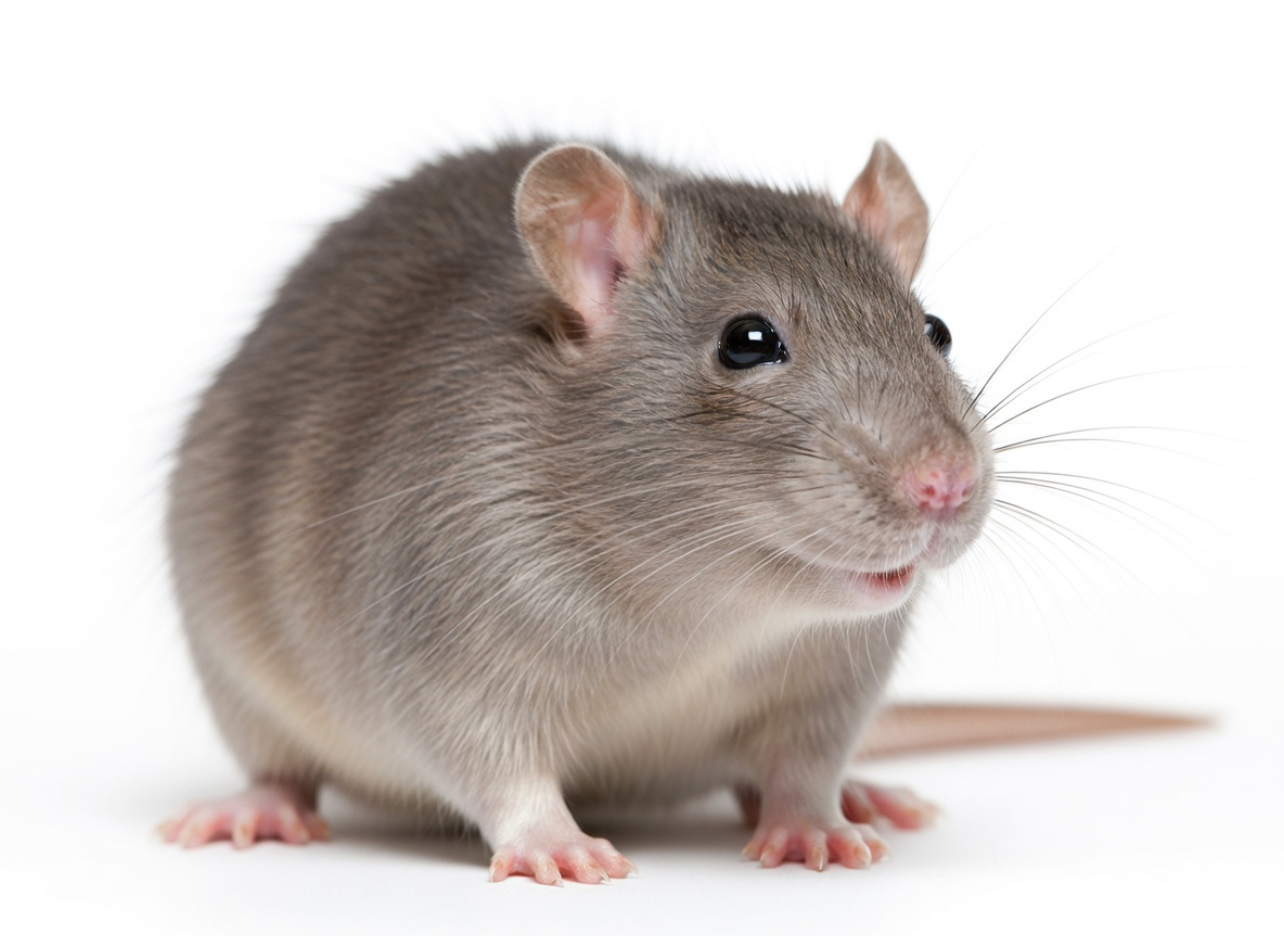
Rats are highly adaptive creatures, capable of changing their behaviour to survive in almost any environment. One of the most fascinating and concerning examples of this adaptability is a parasitic infection that can alter a rat's brain and remove its natural fear response. Combined with seasonal pressures such as winter cold and food scarcity, this makes rats far more likely to enter homes, nest in roofs, and cause significant damage. Below we explore the science behind fear-altering parasites, why winter increases rat activity, what attracts them to your property, and the key signs that rats may already be in your home.
The Parasite That Removes Fear in Rats
Rats naturally fear predators, especially cats. However when infected with the parasite Toxoplasma gondii, their behaviour changes dramatically.
How it works
The parasite forms cysts in the rat's brain.
These cysts alter neurotransmitters linked to fear and risk assesment.
Infected rats lose their instinctive fear of predators, particularly cats.
Some even become attracted to the scent of cat urine.
This behavioural manipulation increases the likelihood of the rat being eaten, allowing the parasite to complete its life cycle inside a cat's digestive system. While the phenomenon is unusual, it highlights how easily rat behaviour can shift, especially when combined with environmental pressure like cold weather.
Why Rats Invade Homes During Winter
Winter is one of the peak seasons for rat infestations. As temperatures drop, rats urgently seek:
Warmth
Shelter
Food
Water
Your home provides all these in abundance.
Common winter rat behaviours
Moving closer to human living and dining area's for warms
Following food scents from bins, pet bowls and compost
Climbing trees, fences, and roofs to access entry points
Nesting in insulated roof cavities where it can be warm and undisturbed
What attracts Rats to Your Property
Rats are opportunistic. If your property offers food, shelter or nesting materials, they will take advantage of it.
Major attractants include:
Palm trees - rats love the dense, fibrous material for nesting.
Nut-bearing trees - such as pecan, macadamia, almond, and oak. Fallen nuts are a high energy source.
Fruit trees - Overripe or fallen fruit is irresistible.
Pet food left outside
Open rubbish bins or compost
Leaking taps or outdoor water sources
Cluttered yards or wood piles
Gaps in roofing, eaves, or vents
Palm trees and nut trees are especially important to highlight as they act as rat highways and feeding stations, making nearby homes more vulnerable.
Where Rats Nest And Why Roofs Are Their Favourite
Once inside, rats look for warm, safe, hidden spaces to build nests. The most common nesting area is the roof cavity, especially if it contains insulation.
Why Roofs are Ideal for Rats
Warm in winter
Quiet and undisturbed
Filled with soft insulation, perfect for nesting
Easy access via trees, gutters, or small gaps
Close to kitchen food sources
Rats can flatten their bodies to squeeze through openings as small as 2cm, making roof entry surprisingly easy.
How to Detect Rats in Your Home
Rats are nocturnal, so you may not see them, but you will hear or notice signs of their activity.
Common signs of rat infestation
Scurrying or scratching sounds in the roof especially at night
Droppings in cupboards, pantries, or along skirting boards
Gnaw marks on wood, wiring, or food packaging
Grease marks along walls or beams
Shredded insulation or nesting materials
Unusual pet behaviour - dogs and cats may stare at walls or ceilings
A musky, unpleasant odour in enclosed spaces.
If you hear light, rapid footsteps or scratching in the ceiling, its often the first sign that you have an unwanted rat guest that has moved in and Clean Carpets and Pest Control Perth are a phone call away to remove rats and protect your family and pets from diseases.